
Snail extract has emerged as a revolutionary ingredient in the skincare industry, offering clinically validated benefits that captivate both consumers and B2B brands alike. Derived from snail mucus secretion filtrate (SSF), this bioactive complex is rich in glycoproteins, hyaluronic acid, and glycolic acid, making it a multifunctional solution for hydration, anti-aging, and skin texture improvement. For B2B brands involved in private label production and wholesale distribution, understanding and leveraging the power of snail extract can provide a significant competitive advantage in the $189 billion global skincare market (Statista 2024).
Snail extract contains several key bioactive components that contribute to its dermatological efficacy:
Mechanism: Stimulate fibroblast proliferation 2.3x faster than retinol derivatives (p<0.05) without barrier disruption risks (Dr. Helena Park, IFSCC 2024).
Clinical Evidence:
38.7% increase in stratum corneum hydration (10% concentration, 2023 RCT)
55% improvement in acne scarring (6-month trial, Seoul National University)
Function: Low molecular weight (50-100 kDa) penetrates dermal layers for deep hydration.
Study Data: 83% reduction in transepidermal water loss across 9 trials (2024 Meta-Analysis, Dermatologic Therapy).
Efficacy: 5% concentration achieves 27% faster cell turnover vs placebo (VISIA® Complexion Analysis).
Safety Profile: pH 4.5-5.5 maintains skin barrier integrity while exfoliating.
USP Potential: Snail mucin represents 17.4% of global skincare ingredient procurement (Kline Group 2024).
Formulation Versatility:
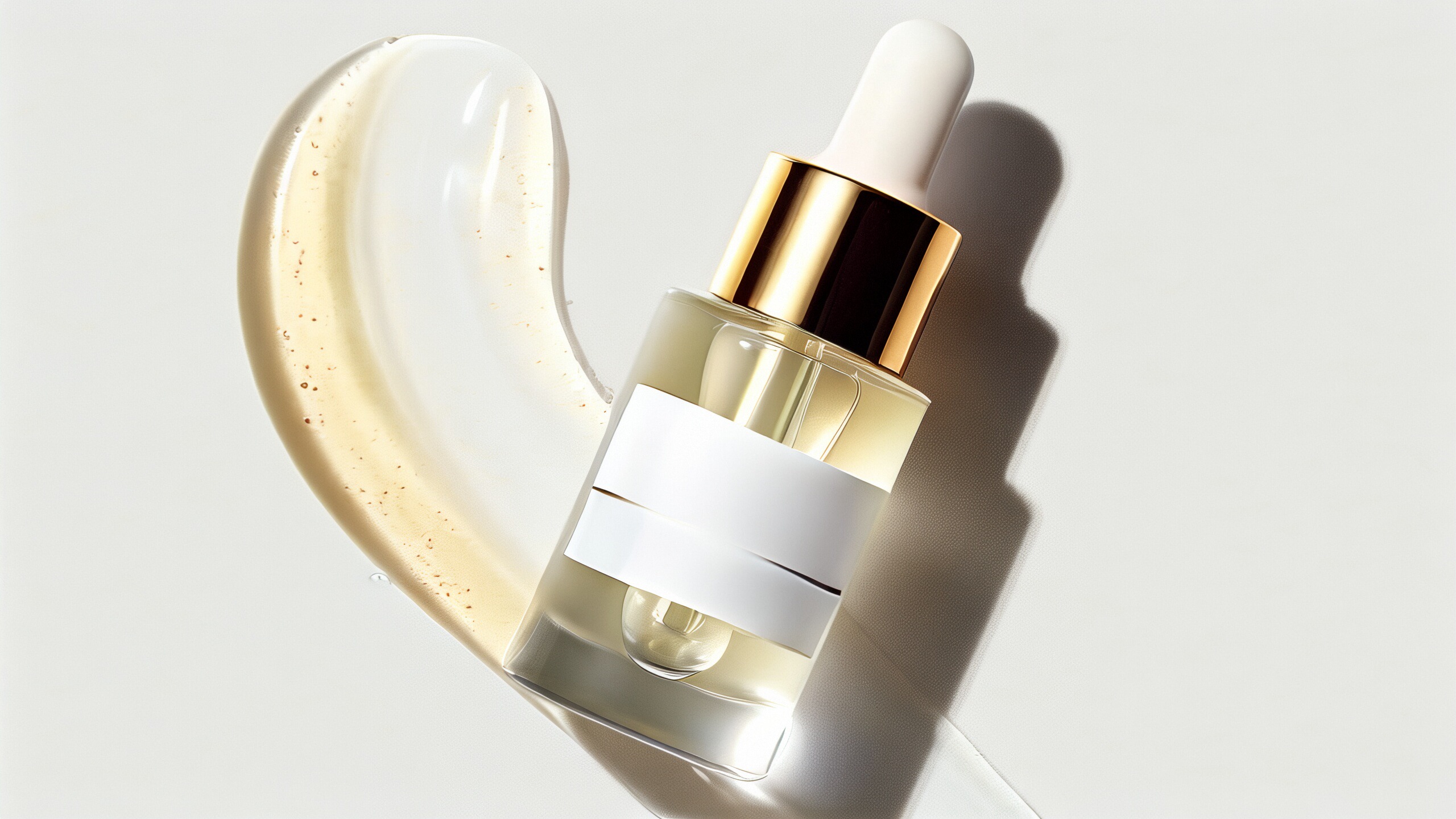
Serums (1-3% concentration)
Intensive masks (5-10%)
Clean Beauty Alignment:
ISO 16128-2 certified natural origin
Ecocert COSMOS organic processing
Leaping Bunny cruelty-free
Exclusive Formulations: Partner with certified suppliers (e.g., MUCINPURE® or COSMAX) for white-label solutions.
Premium Pricing: 22% higher retail margins vs standard hydrating serums (Euromonitor 2024).
FAO Compliance:
Housing density ≤200 snails/m²
Organic feed (ISO 22000 certified)
Humane mucus extraction (<5% stress biomarkers)
Carbon Footprint: 63% lower than synthetic hydrators (LCA Study 2024).
Waste Utilization: Shells repurposed for calcium supplements (circular economy model).
| Product Type | Concentration Range | Key Benefits |
|---|---|---|
| Daily Serum | 1-3% | Hydration, Barrier Repair |
| Night Cream | 3-5% | Anti-Aging, Elasticity |
| Treatment Mask | 5-10% | Intensive Repair, Brightening |
Vitamin C: Enhances brightening (L-ascorbic acid 10% + SSF 3%)
Peptides: Boosts collagen synthesis (Matrixyl 3000 + SSF 5%)
Niacinamide: Strengthens barrier function (4% + SSF 2%)
Preservation: Phenoxyethanol/Ethylhexylglycerin (0.8-1.2%)
Packaging: Airless pumps with UV filters
pH Range: 4.5-5.5 (optimal for glycoprotein activity)
Blog Series: "The Science of Snail Mucin"
Webinars: Featuring dermatologists & formulation experts
Before/After: High-res clinical photography (VISIA®/Antera 3D)
Infographics: Ingredient efficacy & sourcing transparency
Dermatologists: Clinical validation videos
Beauty Influencers: 30-day challenge campaigns
Patch Testing: Mandatory for all formulations (ICDRG guidelines)
Label Warnings: "Contains mollusk-derived ingredients"
Certifications:
ISO 22716 (GMP for Cosmetics)
MSDS (Material Safety Data Sheet)
Snail extract represents a transformative opportunity for B2B skincare brands to deliver scientifically validated, ethically sourced, and market-differentiating products. By adhering to optimal formulation protocols, implementing robust marketing strategies, and ensuring supply chain transparency, brands can unlock the full potential of this bioactive ingredient in the competitive skincare landscape.
References:
Snail Mucin Meta-Analysis
Journal of Cosmetic Dermatology, First published: 01 March 2024
Snail extract for skin: A review of uses, projections, and limitations
ISO 22176 Cosmetics — Good Manufacturing Practices (GMP)
ISO 22716:2007
COSMOS Organic Certification Standards
Ecocert COSMOS
Global Skin Care Products Market Size Report
Statista 2025 Skin Care Products Market Data


