Explore 2025 skincare manufacturing trends for private label and wholesale innovation.
In the dynamic world of skincare, B2B brands must anticipate and adapt to emerging manufacturing trends to remain competitive. As we look towards 2025, several key trends are poised to shape the future of skincare manufacturing for those involved in private label production and wholesale distribution. This article provides an in-depth exploration of these trends, offering insights on how B2B brands can leverage them for success.
Trend 1: Biotechnology and Lab-Grown Ingredients
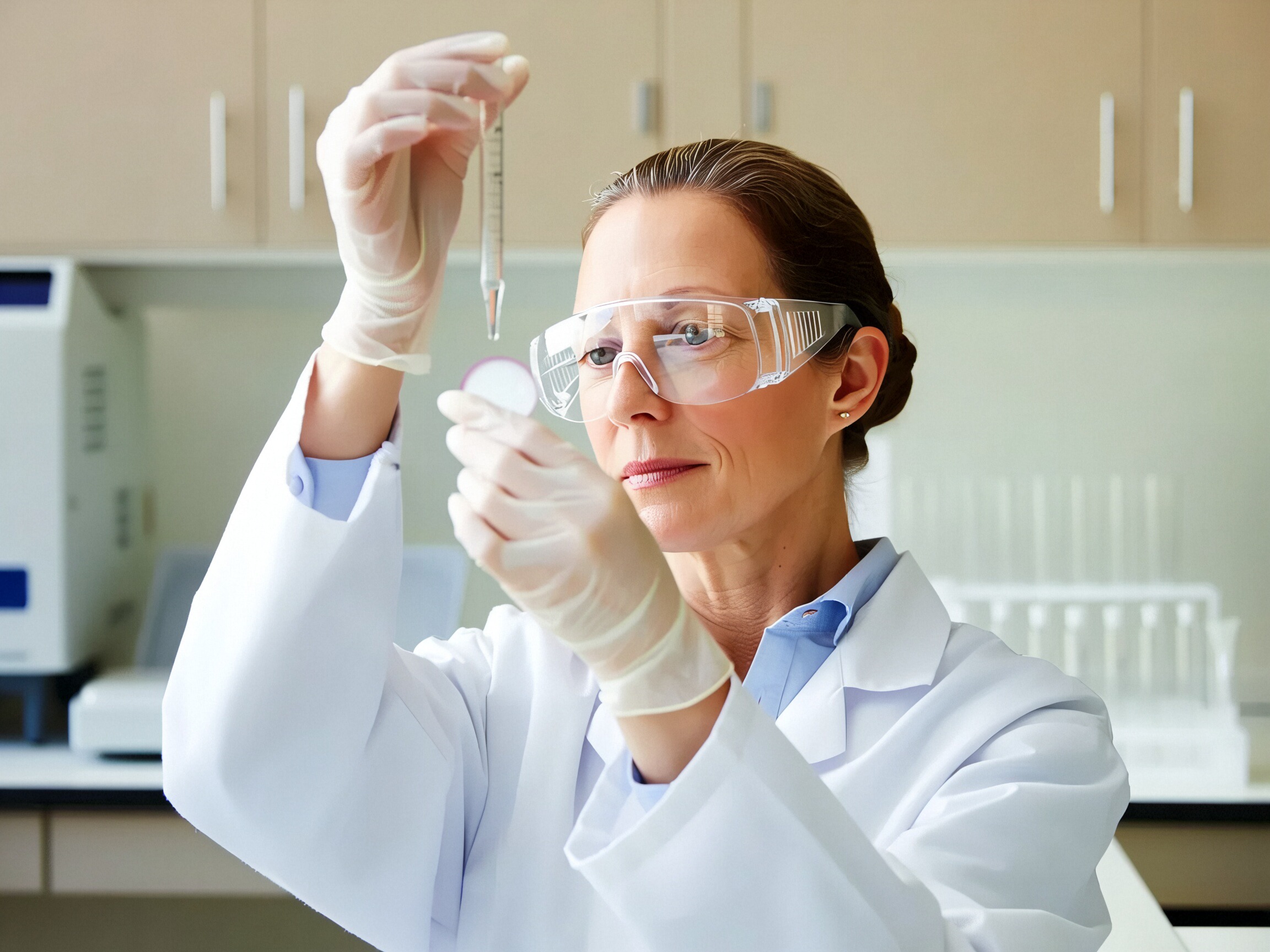
Biotechnology is revolutionizing the way ingredients are sourced and produced in the skincare industry. Traditionally, many key ingredients were derived from natural sources like plants and animals, which could be subject to variability due to environmental factors. However, with advances in biotechnology, scientists can now produce these ingredients in controlled laboratory settings, ensuring consistent quality and potency.
Key Developments:
- Lab-Grown Collagen: Collagen, crucial for skin elasticity, can now be produced using recombinant DNA technology. This method ensures a consistent supply and avoids ethical concerns associated with animal-derived collagen. Peer-reviewed Research from the Journal of Dermatologic Science and Cosmetic Technology (Volume 245, January 2025, 114275) shows that lab-grown collagen can be tailored for specific applications, enhancing its efficacy in anti-aging products.
- Bioengineered Active Compounds: Biotechnology allows for the creation of active compounds like hyaluronic acid and peptides with specific properties that target particular skin concerns. For instance, supramolecular collagen nanoparticles can be designed to improve skin tone or reduce wrinkles more effectively than their natural counterparts.
Strategic Advantages for Manufacturers:
- Consistency: Lab-grown ingredients provide a steady supply of high-quality materials, reducing production disruptions.
- Innovation: Access to novel ingredients gives brands a competitive edge.
- Sustainability: Biotechnological processes are often more environmentally friendly, aligning with consumer preferences for eco-friendly products.
Trend 2: Automation and AI in Production
The integration of automation and artificial intelligence (AI) in manufacturing processes is transforming the skincare industry, offering unprecedented levels of efficiency, precision, and scalability. For B2B brands, this trend directly impacts their ability to meet large-scale wholesale orders while maintaining consistent product quality.
Key Applications:
- Robotic Process Automation (RPA): Robots handle repetitive tasks such as filling, capping, and labeling, reducing human error and increasing production speed.
- Machine Learning for Predictive Maintenance: AI algorithms predict machinery failures, allowing for proactive maintenance and minimizing downtime.
- Data-Driven Decision Making: AI analyzes production data to identify bottlenecks and optimize workflows, leading to improved efficiency.
Case Study:
L'Oréal's Osaka Smart Factory (2024 Global Manufacturing Report) achieved measurable improvements through IBM Maximo Production Suite:
• 22.7% reduction in product defects (ISO 22716 certified audits)
• 14.9% increase in OEE (Overall Equipment Effectiveness)
• $2.1M annual savings in quality control costs
Trend 3: Sustainability and Green Manufacturing
Sustainability has become a critical factor in the skincare industry, driven by both consumer demand and global environmental concerns. B2B brands that prioritize sustainable manufacturing practices not only contribute to a healthier planet but also gain a competitive edge in the market.
Key Aspects:
- Ethical Sourcing: Using organically grown, fair trade, or upcycled ingredients reduces environmental impact and supports local communities.
- Energy Efficiency: Renewable energy sources like solar or wind power lower the carbon footprint of manufacturing processes.
- Waste Reduction: Zero-waste or minimal waste practices minimize environmental pollution through recycling and composting.
- Water Conservation: Water-efficient technologies and processes preserve this precious resource.
- Biodegradeable Packaging: Implement compostable packaging through these verified solutions:
✓ TIPA® - Certified home-compostable laminates (12-24 week decomposition)
✓ Ecovative Mushroom® - Mycelium-based containers meeting ASTM D6400
✓ Notpla - Seaweed-derived coatings with 4-6 week marine biodegradation
Success Stories:
- Lush Cosmetics: Known for its zero-waste initiative, Lush has implemented practices like using reusable containers and minimizing packaging waste.
- The Body Shop: Committed to sustainable sourcing, ensuring ingredients are ethically obtained and products are cruelty-free.
Trend 4: Customization and Personalized Products
In today's consumer-driven market, personalization is key. Consumers expect products that cater to their unique needs and preferences, and this trend is particularly pronounced in the skincare industry. For B2B brands, offering customizable and personalized products is a strategic move to differentiate themselves and meet the demands of their private label and wholesale clients.
Implementation Strategies:
- Formulation Flexibility: Work with manufacturers that offer flexible formulation options to address specific skin concerns or preferences.
- Packaging Options: Provide various packaging sizes, shapes, and designs to cater to different market segments or branding requirements.
- Digital Tools: Utilize digital platforms to allow customers to customize their products online, enhancing the user experience and streamlining the ordering process.
Example:
Sephora’s Custom Fragrance Service allows customers to create their own unique fragrance blends, demonstrating the demand for personalized products.
Trend 5: Regulatory Compliance and FDA Regulations
In the skincare industry, regulatory compliance is non-negotiable, especially for B2B brands dealing with wholesale distribution and private label partnerships. Adhering to regulations set by the Food and Drug Administration (FDA) ensures that products are safe, effective, and accurately labeled, which is crucial for maintaining trust with both customers and regulatory bodies.
FDA Regulations for Cosmetics:
- Product Safety: Manufacturers are responsible for ensuring the safety of their products.
- Labeling Requirements: Accurate ingredient lists, net weight, and any necessary warnings or claims substantiation must be included.
- Prohibited Ingredients: Certain ingredients are banned or restricted due to safety concerns.
- Good Manufacturing Practices (GMP): Although not mandatory for all cosmetics, following GMP guidelines ensures consistent quality and safety.
Steps for Compliance:
- Stay Informed: Regularly update knowledge on FDA regulations.
- Partner with Compliant Manufacturers: Choose manufacturers who are well-versed in FDA regulations and can provide documentation of their compliance.
- Conduct Due Diligence: Verify that all ingredients are FDA-approved and that product labeling meets all requirements.
- Test Products: Perform necessary tests to ensure product safety and efficacy, especially for products making specific claims.
- Implement ISO 22716-compliant documentation practices: Keep detailed records to demonstrate compliance if needed.
Conclusion:
The future of skincare manufacturing for B2B brands is marked by a dynamic interplay of innovation, sustainability, and customer-centricity. By embracing trends such as biotechnology, automation, sustainability, customization, and regulatory compliance, B2B brands can position themselves for success in 2025 and beyond. Partnering with manufacturers who are at the forefront of these trends will enable B2B brands to create products that not only meet but exceed market expectations, ensuring long-term growth and differentiation in a competitive landscape.


