


Consultation
- You bring
- Your positioning, target market and a rough annual volume.
- You get back
- A view on whether the LY-02 base suits your goal or a development project is more realistic.

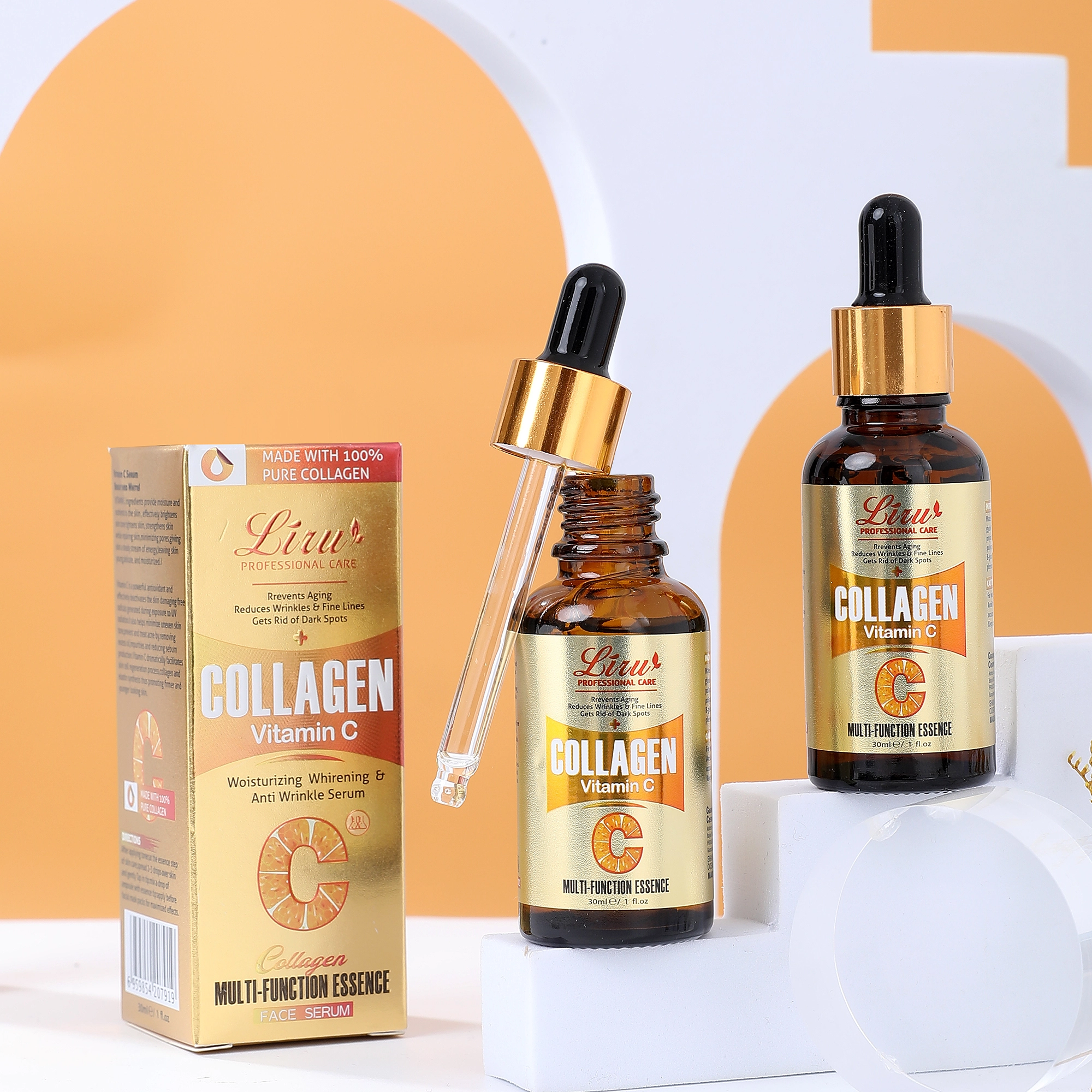
Working with a private label skincare manufacturer is mostly a question of what happens between your brief and the pallet, so this page walks that path using one concrete reference build: the Liru LY-02 bottle, a 30 ml custom face serum supplied with private label, wholesale and OEM/ODM options. You will see what each stage asks of you, what the finished bottle actually states, and where to raise questions before a first production run is committed.
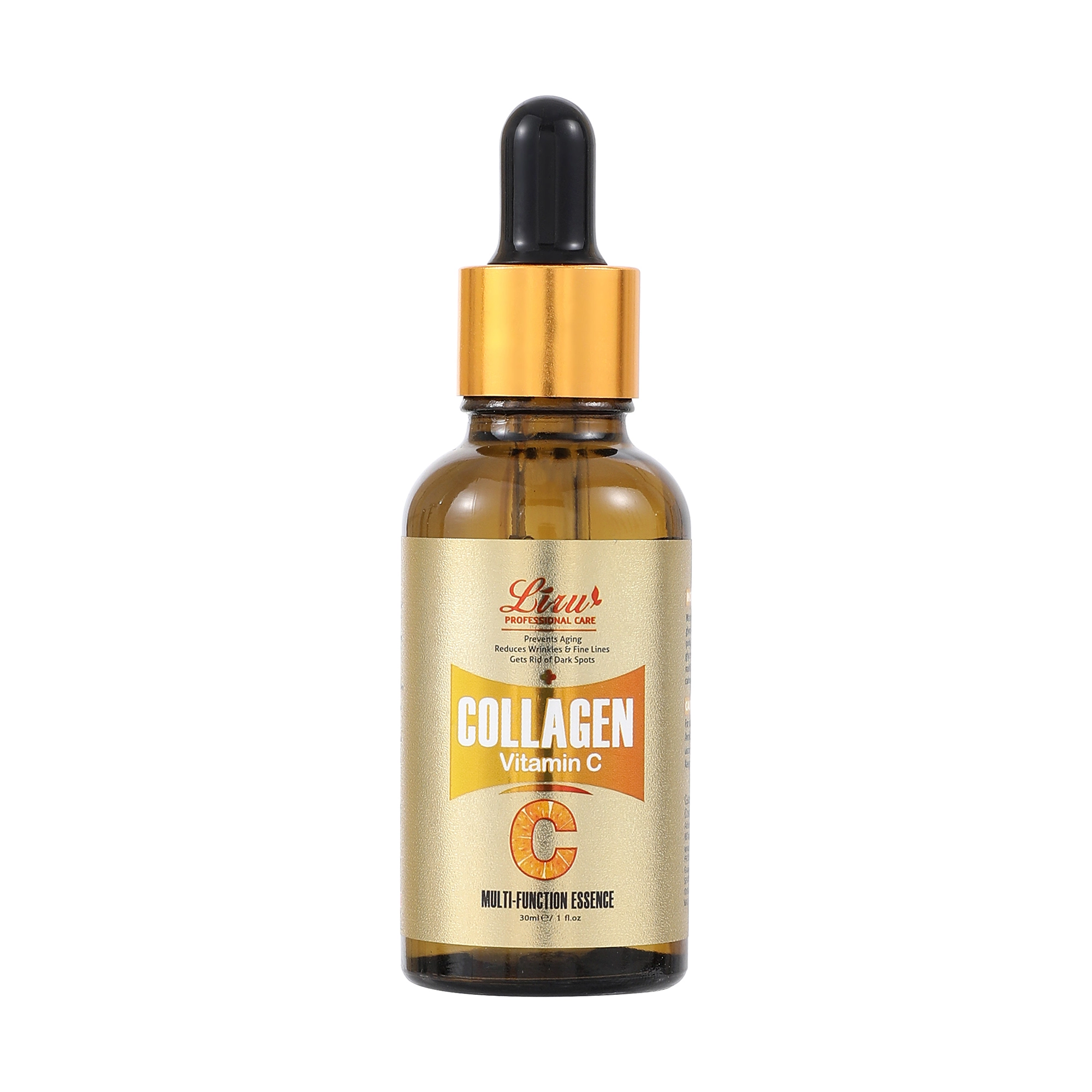
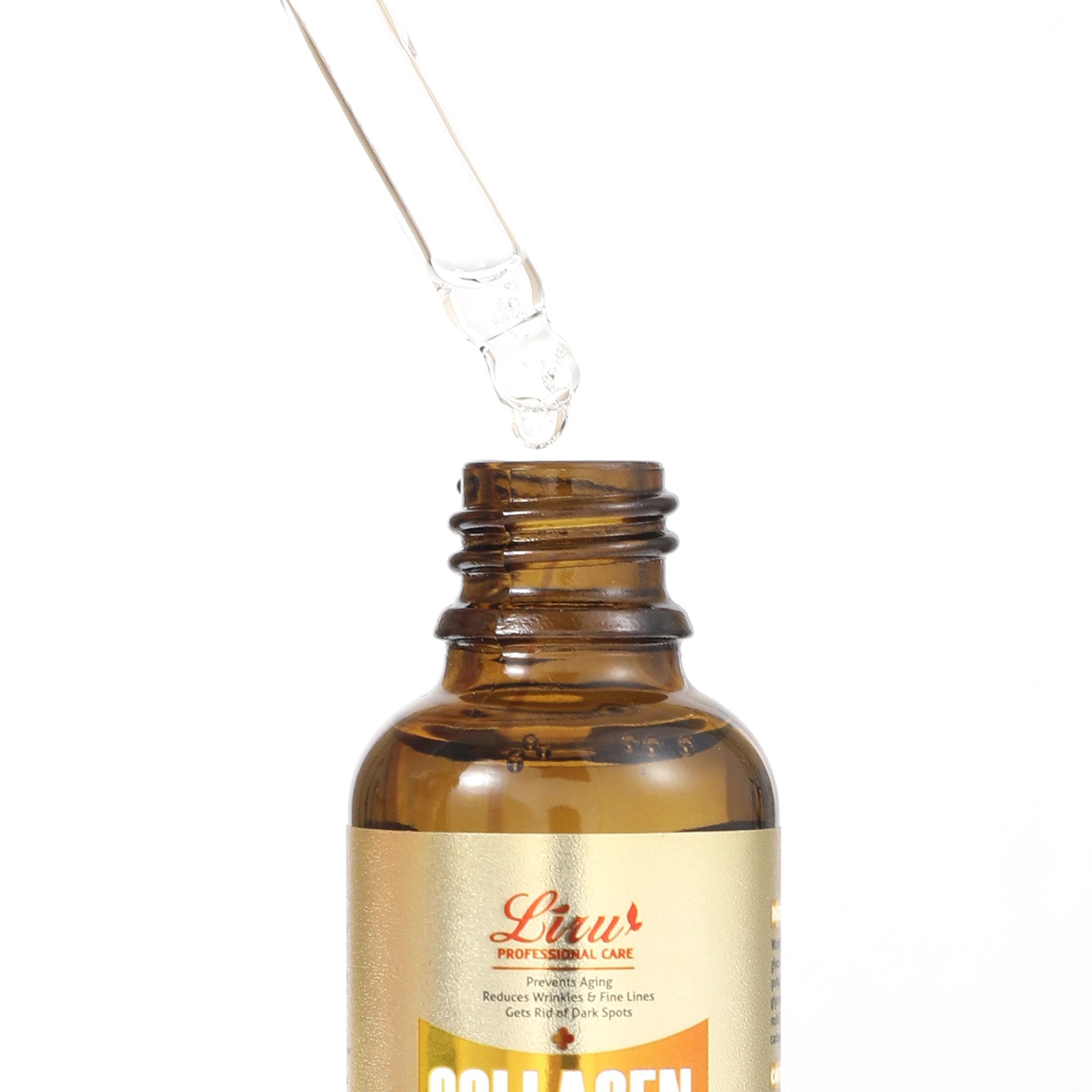
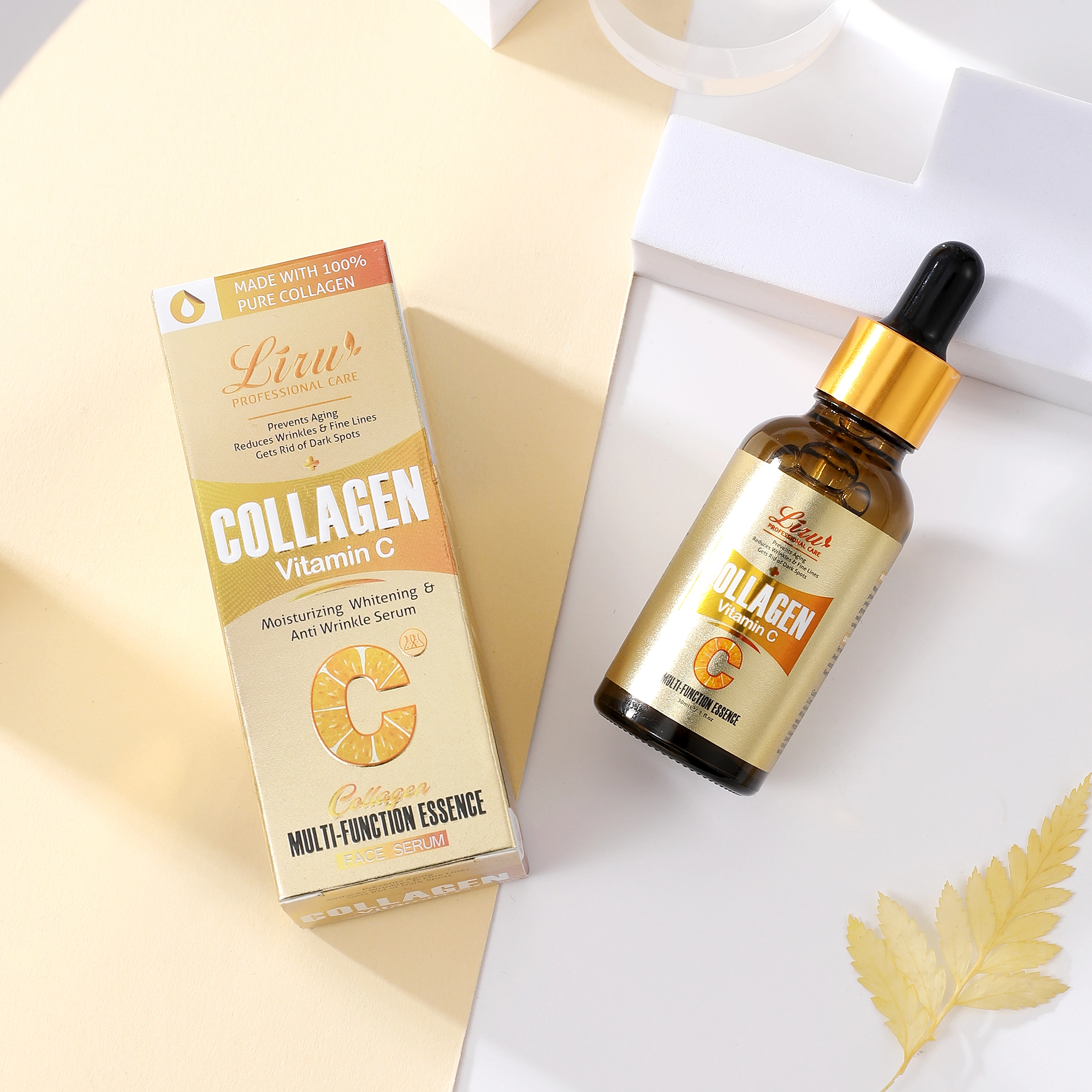
Before a brand talks minimums and lead times, it helps to look at a finished item and see which decisions were already made for you. The Liru Anti-Aging Collagen Vitamin C Radiant Face Essence Facial Serum, product number No.LY-02, is that item here: a 30 ml facial serum built around ascorbic acid, sodium hyaluronate and glycerol polyether-26.
The page positions it as an antioxidant serum aimed at free radicals and environmental stress, with claims around even tone, hydration, radiance and refined texture. It is also described as suitable for all skin types, including sensitive and oily skin, and is applied as a few drops on cleansed skin, massaged gently upward, once a day.
For a brand owner, that combination is useful precisely because it is ordinary enough to adapt: a stable 30 ml format, a well-understood vitamin C story, and a texture claim you can test against your own audience before you write a single line of packaging copy.
You are not inventing a category. You are choosing which existing, described formula gives you the shortest credible path to a product you can stand behind — then asking what changing means for cost, sample rounds and timing.
These are the values the product page publishes. Treat them as the baseline your brief either keeps or changes — and confirm anything not listed here with the team before you print a carton.
| Field | Detail |
|---|---|
| Brand | Liru |
| Product number | No.LY-02 |
| Volume | 30 ml |
| Key ingredients | Ascorbic Acid, Sodium Hyaluronate, Glycerol Polyether-26 |
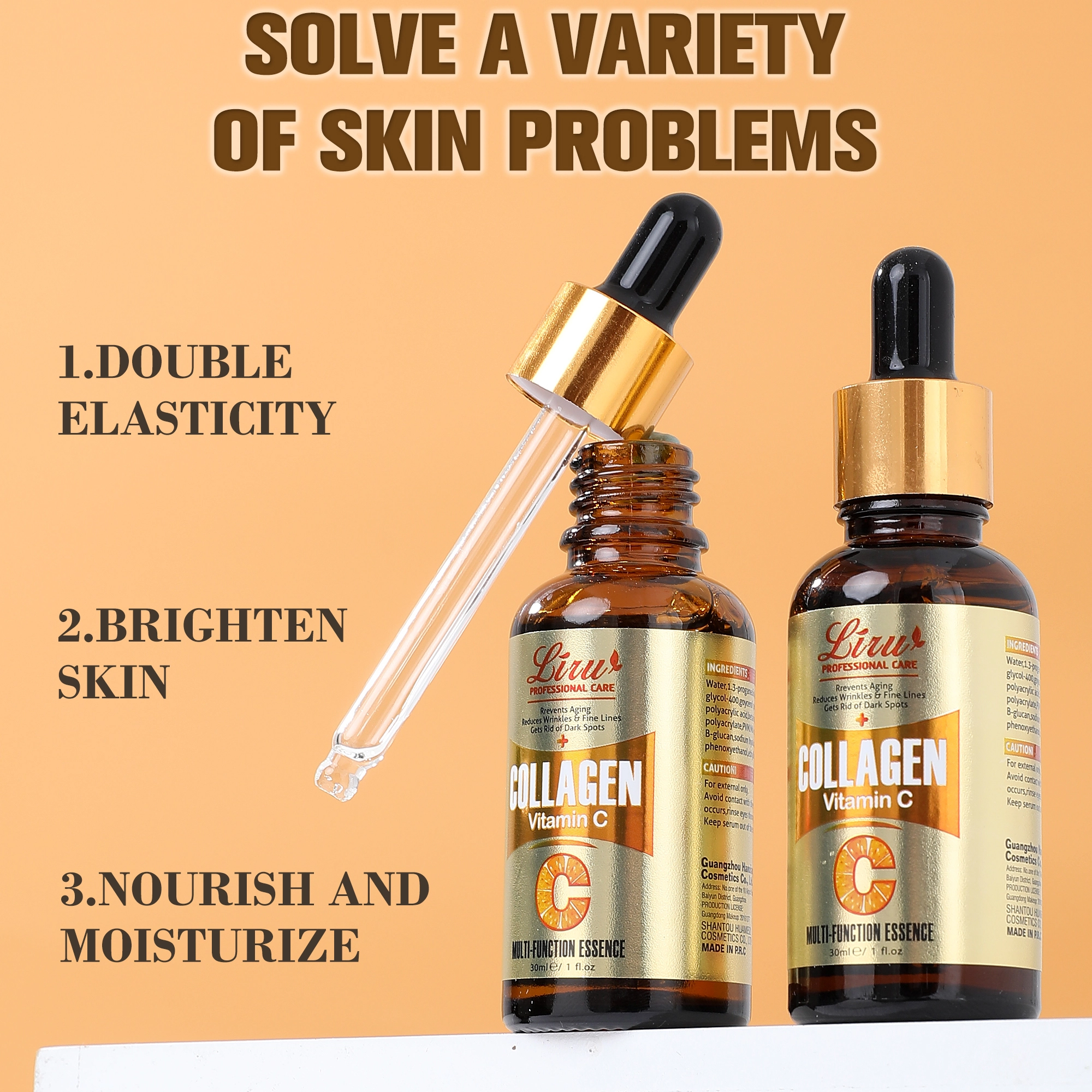
| Function | Brightening, skin revitalizer, nourishing, moisturizer, anti-wrinkle, anti-aging |
| Texture | Lightweight, non-greasy |
| Skin types | All skin types, including sensitive and oily skin |
| Suggested use | A few drops on cleansed skin, massaged gently in an upward motion, daily |
A quote is only as useful as the answers behind it. Run these six checks against any supplier you shortlist — including this one — and you will know within one conversation whether the project can actually be delivered.
| Capability | Why it matters to you | What to confirm |
|---|---|---|
| Formulation | Decides whether you adjust an existing base or fund a development project. | Who adjusts the LY-02 base, and how many sample rounds that includes. |
| Actives sourcing | Ascorbic acid and sodium hyaluronate quality drives both feel and claims. | Which grades are used for your batch and what documentation accompanies them. |
| Fill & packaging | The 30 ml format is only one option; your dropper and carton define shelf presence. | Which pack sizes and components are available for your order volume. |
| Labelling & artwork | Private label only works if your artwork fits the approved dieline. | The artwork product format, print method and file formats required. |
| Testing | Stability and microbial checks protect you after the pallet leaves. | Which tests are run, on what batch, and whether reports are shared. |
| Documentation & dispatch | Customs and retail listings ask for paperwork you cannot create later. | What can be supplied for your destination market and when it is issued. |
Every stage below has one job: turn an intention into something both sides can sign off. The labels on the left are what you bring; the right-hand text is what comes back before the next gate opens.
The same 30 ml bottle can serve very different brands. What changes is the claim you build around it — and the check you must run before that claim goes to print.
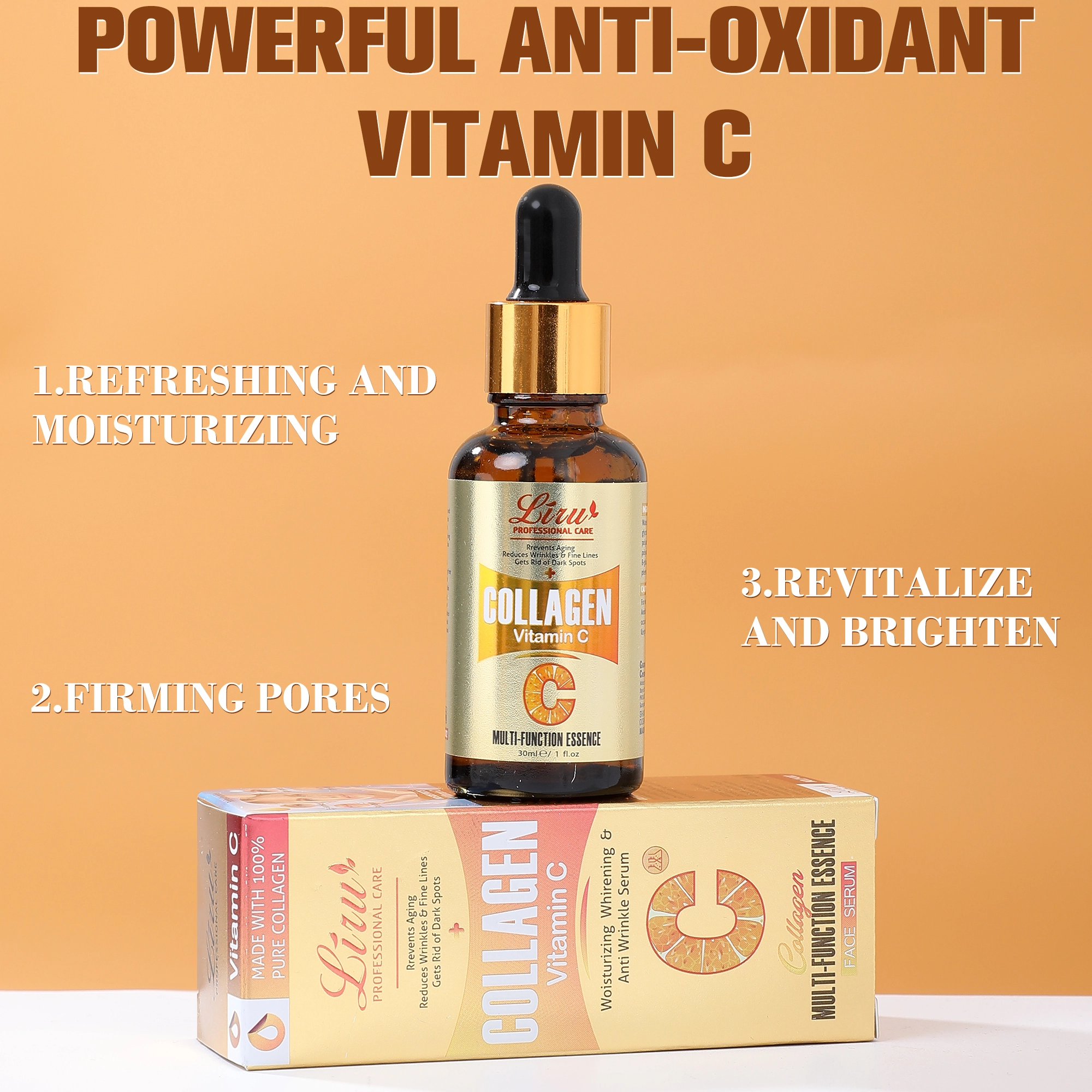
The page describes antioxidant protection and a radiance boost tied to collagen production, alongside refined texture and softer fine lines. That is a full front-of-pack story — and a lot to substantiate.
The product page states the serum helps inhibit melanin production, reducing spots and pigmentation for a more even tone. Brightening claims are among the most scrutinised in skincare.
The formula is described as lightweight, non-greasy and suitable for all skin types, including sensitive and oily skin — a claim that lives or dies on how the product actually feels.
The product page lists private label, wholesale and OEM/ODM customization as the routes available. In practice that usually means one of three starting points — and each one asks a different question about minimums and timing.
The shortest path: keep the described 30 ml serum and put your brand on it.
Keep the base but adjust the balance of ascorbic acid or sodium hyaluronate for a different feel or claim.
Start from your own brief rather than an existing base, with your own texture and ingredient story.
Quotes move fastest when the first message already answers the questions a formulator would ask. Cover these five points and the reply can be specific instead of generic.
Keep adjacent product options together for a faster catalog comparison.
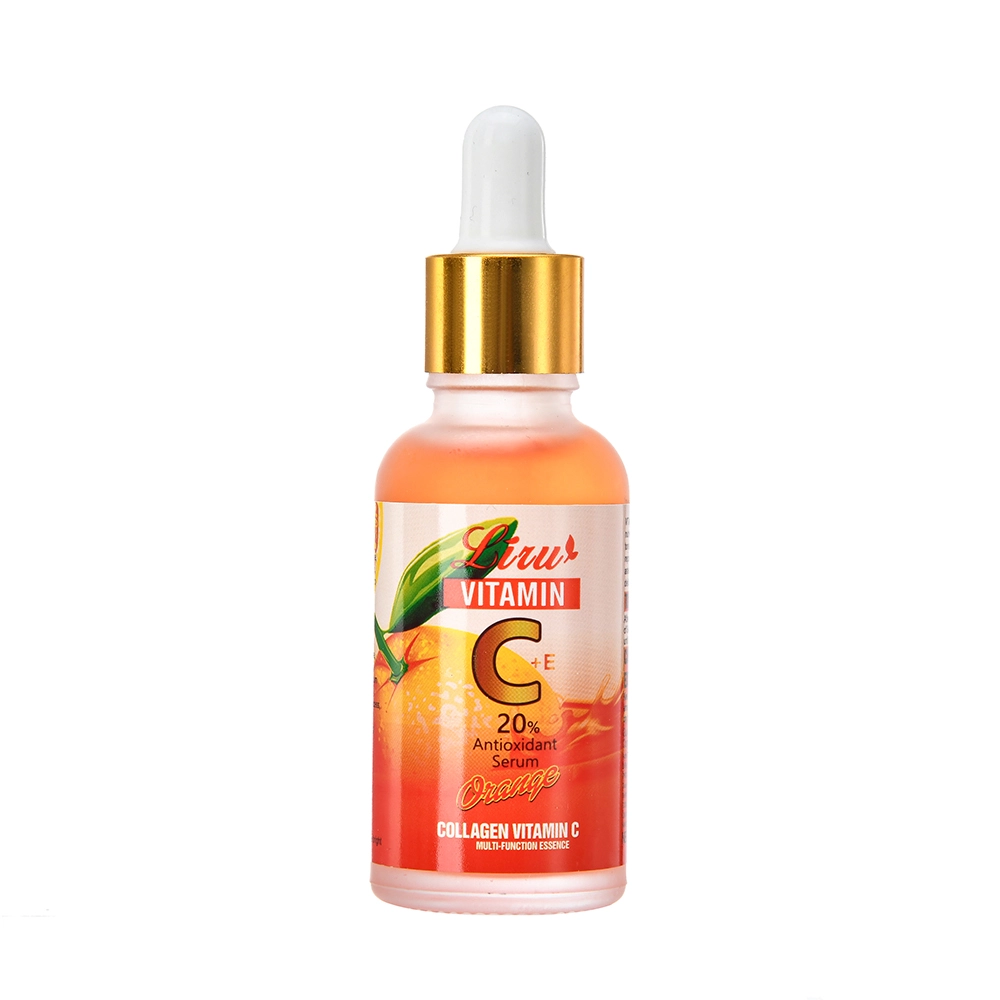
Laboratory-proven Vitamin C serum brightens the skin tone & dark spots in 14 days. Stabilized with Vitamin C + Hyaluronic Acid. Non-comedogenic. This serum are available for wholesale and private…
View product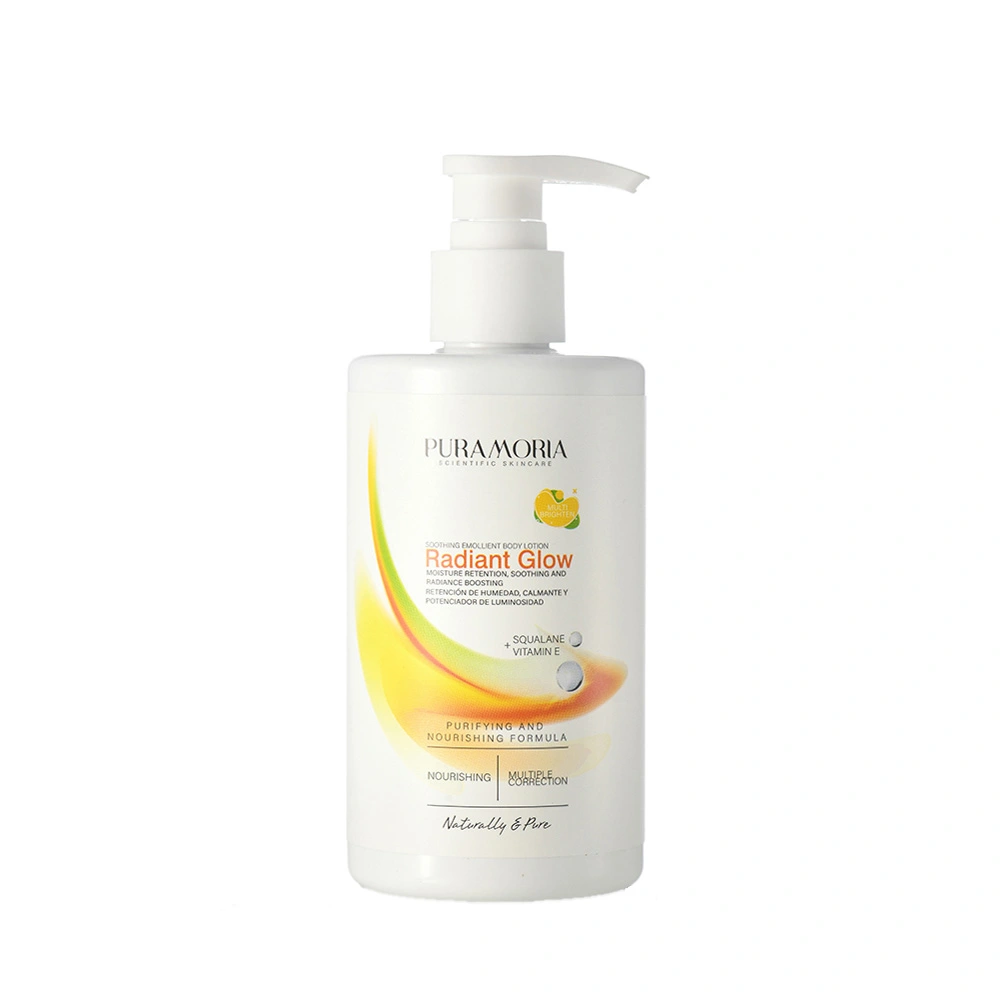
PURAMORIA Radiant Glow body lotion for dry, sensitive skin: hydrates deeply, soothes irritation, and brightens with squalane, vitamin e, and herb extracts. Available for wholesale and private label.
View product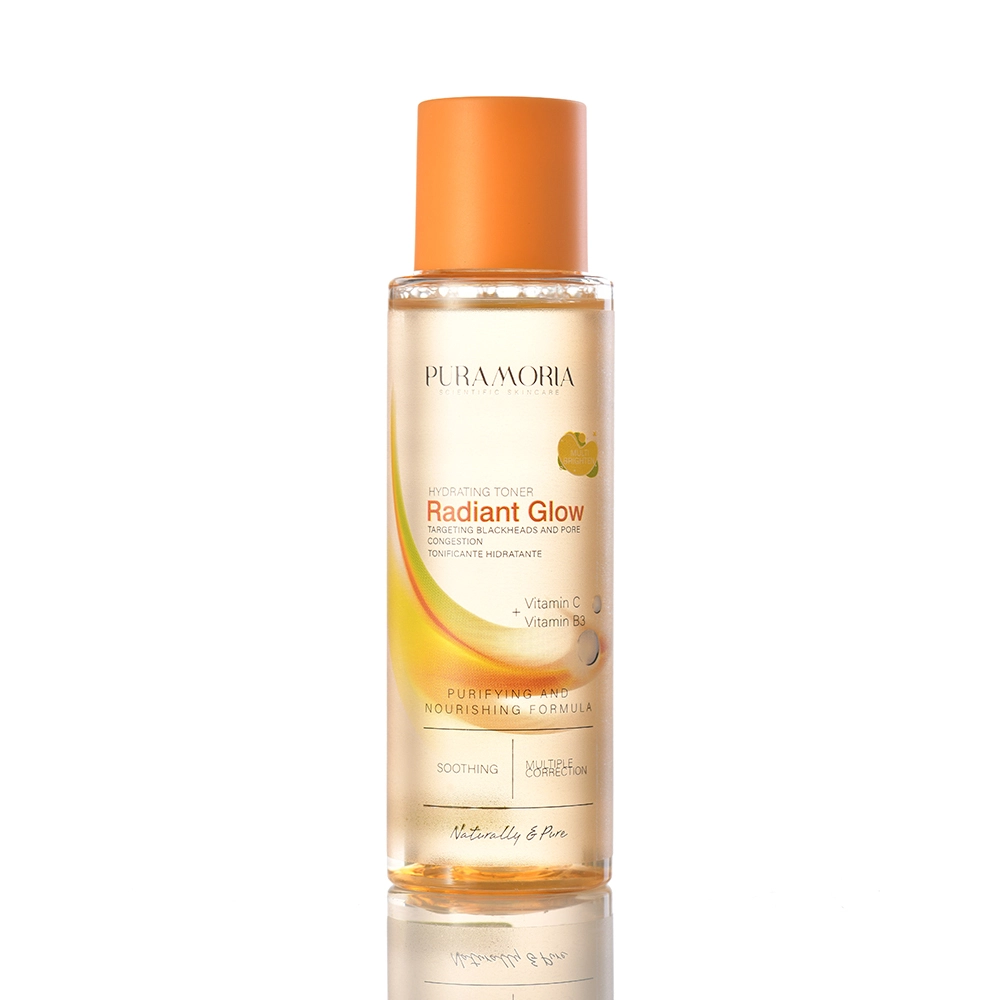
PURAMORIA's Vitamin C & Niacinamide Face Toner brightens, hydrates, and combats hyperpigmentation, acne scars, and sun damage. Perfect for all skin types, including oily and sensitive. Support…
View productreview the product details, images, and specifications presented on the official product page.
use the application and use-case information published on the official product page.
confirm the specifications and options listed for the exact product variant before placing an order.
check the official product page or ask the supplier about options shown for the selected product.
use the official contact or inquiry path provided on the site.
include the product page, intended use, required quantity, and any specifications you need the supplier to review.